Loading...
Serving Evansville, IN and surrounding areas. (930) 212-1786
Serving Evansville, IN and surrounding areas. (930) 212-1786
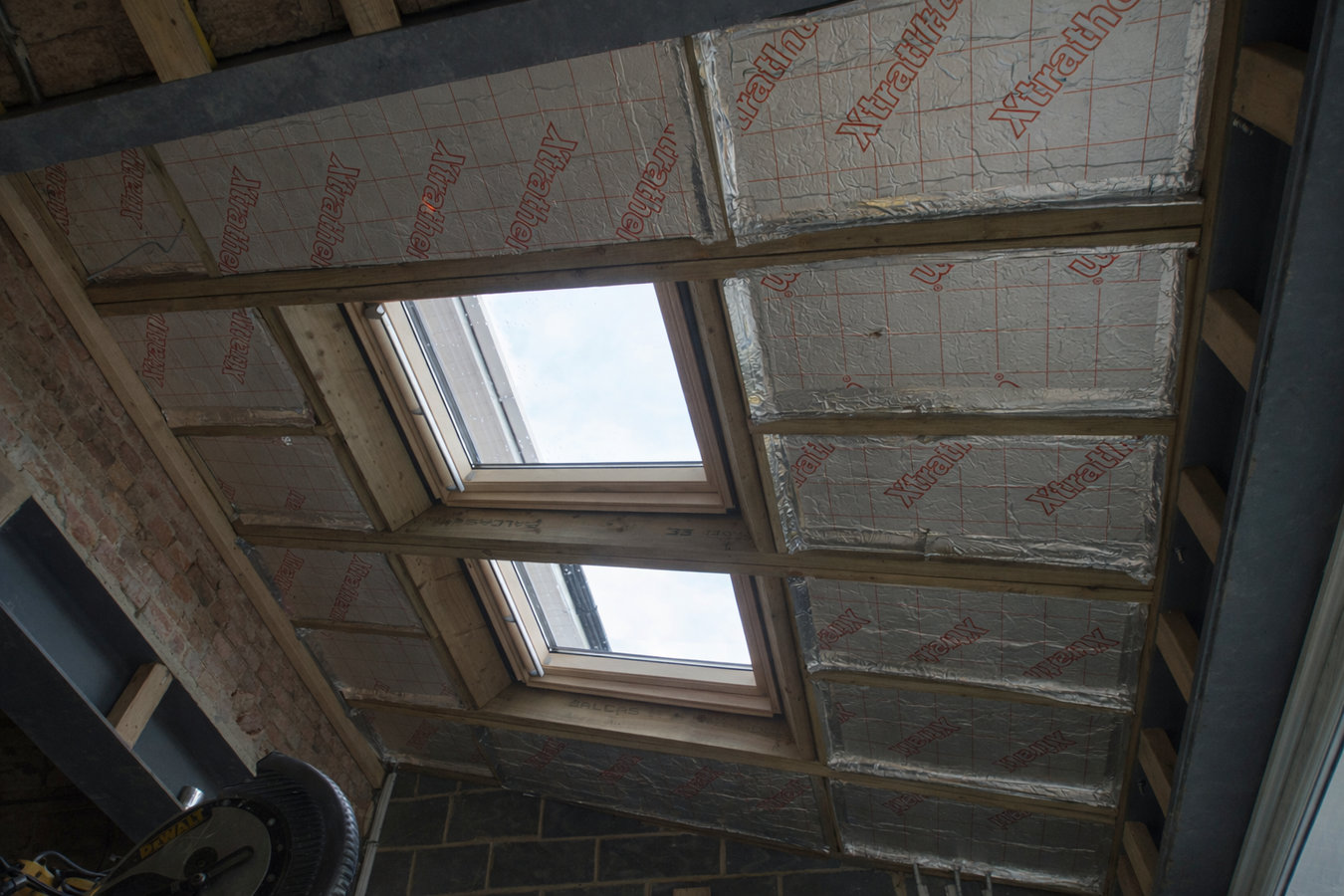
If your upstairs is unbearable in July or your heating bill climbs every January, your attic is likely the reason. Proper attic insulation levels the temperature throughout your home and reduces the load on your heating and cooling system.
Attic insulation in Evansville, IN slows heat from moving through your ceiling in both directions - most attic jobs are completed in two to four hours and do not require you to leave your home. Your attic is the single largest source of heat gain in summer and heat loss in winter in most homes. If the insulation up there is thin, settled, or missing altogether, your heating and cooling system compensates by running longer, which shows up directly on your utility bill.
For homes in Evansville, the recommended attic insulation depth is roughly 14 to 18 inches of blown-in material. Many older homes in the city are well below that level, particularly those built before the mid-1980s when energy efficiency standards were much less demanding. If your home falls in that range and you have no record of insulation work being done, this is worth checking. Attic insulation works best when paired with attic air sealing, which closes the gaps that reduce how much of the insulation's rated R-value you actually see in real-world performance.
If blown-in insulation is being considered for the attic floor, our blown-in insulation page covers the material in detail, including how it compares to batts for attic applications.
If your electric bill climbs sharply from June through August even when you are not running the air conditioner more than usual, heat is likely pouring through your attic ceiling. Evansville's long, hot summers put real pressure on under-insulated attics.
If the upstairs bedrooms or the room directly below the attic feel like a different climate from the rest of your home, heat is moving through the ceiling in both directions. Uneven temperatures almost always point to insulation or air-sealing gaps overhead.
If you can see the wooden beams running across your attic floor, your insulation level is almost certainly too low for Evansville's climate. Properly insulated attics in this region should have enough material that the joists are buried and not visible.
Evansville's humidity means attics that are not properly sealed can accumulate moisture, leading to mold and mildew. A musty smell near the ceiling or attic access, or water staining around the hatch frame, means both insulation and ventilation need attention.
Most attic insulation projects start with an assessment of what is already there and what needs to happen before new material goes in. If existing insulation is wet, compressed, or contaminated, it needs to come out before new material goes on top - adding new insulation over damaged material traps the problem and reduces the effectiveness of the new layer. Our blown-in insulation service covers loose-fill materials that are the standard choice for attic floors in most Evansville homes.
Air sealing is a critical step that many contractors skip in the interest of time. Before adding new material, we seal gaps around light fixtures, plumbing penetrations, the attic hatch, and any other points where conditioned air is escaping. This step is what makes the difference between an insulation job that meets its rated R-value and one that falls short in practice. Our attic air sealing service can be completed as a standalone project or bundled with insulation work for the most complete result.
For homes where the attic needs to be a conditioned space, such as homes with HVAC equipment located in the attic, spray foam applied along the rafters rather than the attic floor is the right approach. We assess which method suits your home's layout during the initial visit.
The standard choice for attic floors: fills around joists and irregular spaces without leaving gaps, and is quick to install.
Suitable for attics with regular joist spacing and easy access, typically at a lower material cost than blown-in.
The step most contractors skip. Sealing gaps before adding material is what makes insulation perform to its rated value in practice.
Required when existing material is wet, compressed, or contaminated. Adding new insulation over damaged material creates more problems than it solves.
Evansville sits in a climate zone that calls for meaningfully more attic insulation than homes in warmer Southern states. A contractor doing the job right here will install more material than one working in Nashville or Atlanta - and if a quote seems unusually low, it may reflect less insulation than your home actually needs for this region. Homes in established Evansville neighborhoods including the West Side, Haynie's Corner area, and older East Side subdivisions near the Lloyd Expressway were built decades before current energy standards existed.
Evansville's humidity level is another factor that affects how attic insulation performs over time. Attics that are not properly ventilated or air-sealed can trap moisture, which causes insulation to compress and lose its effectiveness and, in serious cases, leads to mold growth in the structure. A contractor familiar with this market will check ventilation as part of the assessment, not just add material on top of a potential moisture problem.
We regularly work on homes throughout the region, including in Newburgh, IN, Jasper, IN, and Mount Vernon, IN. The same climate conditions apply across the area, and the same assessment process applies to every home.
We respond within 1 business day. We ask a few questions about your home's age and any symptoms you have noticed, then schedule a free on-site visit.
We spend 20 to 40 minutes in your attic, measuring existing insulation levels, checking for moisture or pest activity, and assessing ventilation. This determines what your home actually needs.
You receive a clear written quote with scope, materials, and total cost. No pressure to sign on the spot, and we explain exactly what we found and why we are recommending what we are recommending.
The crew installs the insulation, typically in two to four hours. Before leaving, we provide written documentation of materials used, which you will need for any tax credit or utility rebate applications.
We respond within 1 business day and there is no obligation to move forward. After you submit, someone from our office will call to schedule a free on-site assessment at a time that works for you.
(930) 212-1786Evansville falls in a climate zone that requires more attic insulation than warmer Southern states. We install to the depth your home needs for this region, not a one-size number that may fall short.
We come to your home, measure what is there, and give you a written quote at no cost. You get a real number based on your specific attic, not a ballpark estimate over the phone.
Skipping the air-sealing step before adding insulation is one of the most common shortcuts that reduces real-world performance. We seal gaps around light fixtures, plumbing penetrations, and the attic hatch before laying insulation on top.
We provide the materials documentation you need to apply for available federal tax credits and any current utility rebates. That paperwork is your responsibility to use, and we make sure you have it.
Homeowners in Evansville can also check whether their project may qualify for a federal energy efficiency tax credit. ENERGY STAR maintains current information on federal tax credits for insulation upgrades, and we provide the materials documentation you need to apply.
Blown-in loose-fill is the most common material for attic floors and works well alongside or instead of batts in most Evansville homes.
Learn moreAir sealing before adding insulation closes the gaps that reduce real-world performance, and is often the most cost-effective step you can take.
Learn moreEvansville summers are long and winters are cold. A free on-site assessment takes less than an hour and gives you a clear picture of what your attic actually needs.