Loading...
Serving Evansville, IN and surrounding areas. (930) 212-1786
Serving Evansville, IN and surrounding areas. (930) 212-1786
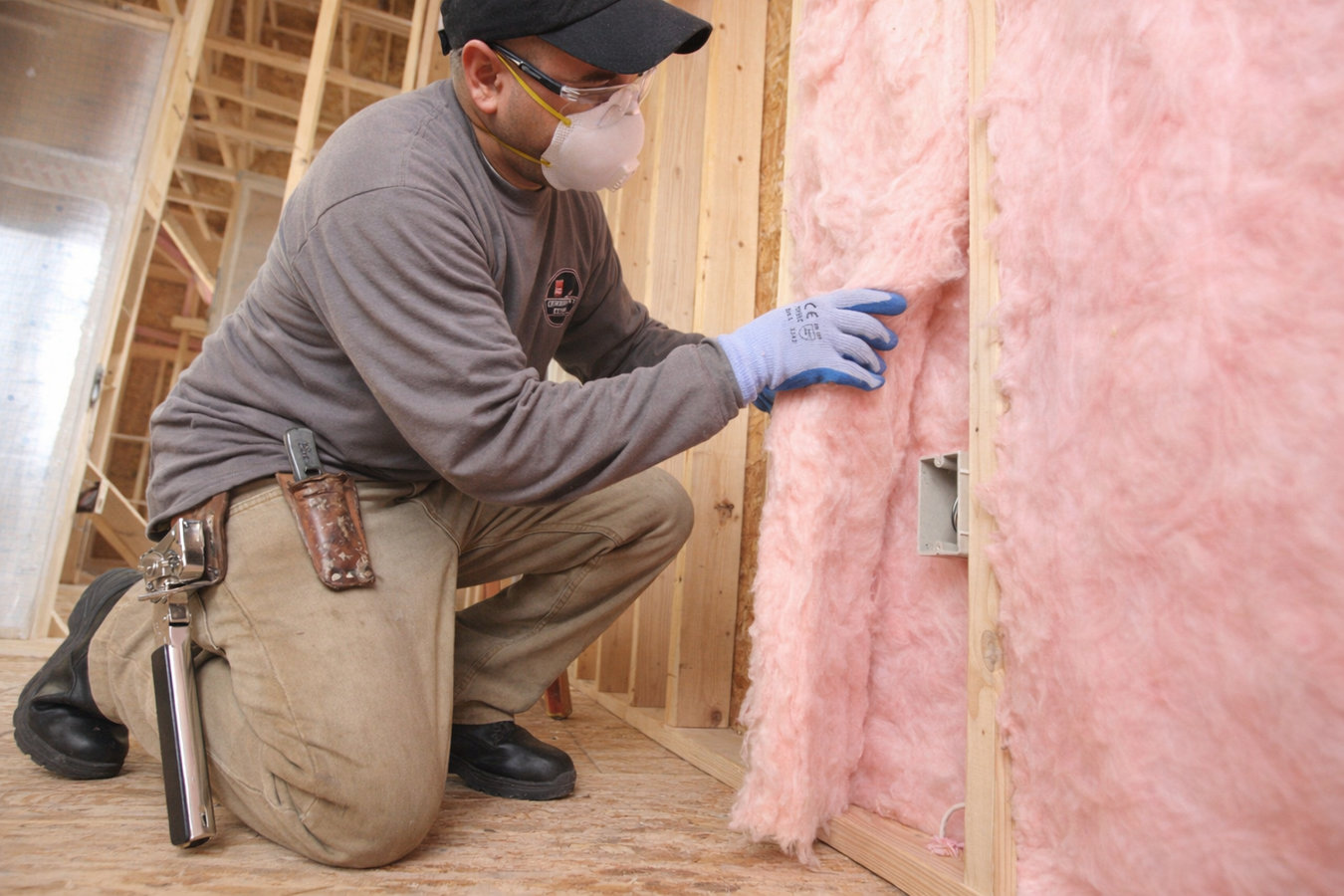
Most Evansville homes built before 1980 are losing energy through the attic, walls, and crawl space every single day. Retrofit insulation adds the protection your home was never built with, without tearing anything apart.
Retrofit insulation in Evansville means adding blown-in fiberglass, blown-in cellulose, or spray foam to an existing home's attic, crawl space, or wall cavities without a major renovation. Most attic and crawl space jobs are completed in a single day. Wall insulation is done through small access holes that are patched when the work is finished. No drywall removal, no gutted rooms.
Evansville sits in a climate zone that demands year-round performance from insulation. Average January lows reach the mid-20s and July highs push into the low 90s with Ohio River valley humidity that makes it feel hotter still. A home built before energy codes required meaningful insulation levels is fighting that climate every day, in every season. Many homeowners in the Haynie's Corner area, the West Side, and older East Side subdivisions live in homes with attic insulation that has settled and thinned to near nothing after decades, and wall cavities that were never insulated at all.
Retrofit work pairs well with other air control and moisture projects. Homeowners who want to address the whole house in one coordinated visit should look at home insulation options that cover every area from the attic to the crawl space in a single scope.
If your heating and cooling costs seem out of proportion to what neighbors in similar-sized homes pay, under-insulation is one of the most common causes. In Evansville's climate, where both heating and cooling seasons are demanding, an under-insulated home pushes your HVAC system harder than necessary, and you see the result on every CenterPoint Energy bill.
If one room is always too cold in January or too hot in July regardless of the thermostat setting, insulation is likely thin or missing in the walls or ceiling above that space. In older Evansville homes, this is especially common in rooms over garages, at the far ends of the house, or on upper floors where attic heat bleeds down through the summer.
On a January day in Evansville, when temperatures drop into the 20s, put your hand near an exterior wall or the floor above your crawl space. If it feels noticeably cold or you can feel a draft without a window open, the insulation in that area is inadequate or absent. Your heating system is working against outdoor temperatures every hour of every cold day.
If your home is more than 40 years old and you have no record of insulation upgrades, there is a strong chance it does not meet today's recommended levels. This describes a large share of Evansville's housing stock across the West Side, Haynie's Corner, and established East Side neighborhoods, where homes were built with minimal wall insulation and attic levels that have settled and thinned over decades.
We handle attic retrofit insulation using blown-in fiberglass or blown-in cellulose, installed to the Department of Energy's recommended R-value levels for the Midwest climate zone. Before any material goes in, we seal air leaks at penetrations, around light fixtures, and at the tops of interior walls. That air sealing step is what separates a job that actually performs from one that looks good in the attic but leaves energy bills unchanged.
For crawl space retrofit work, we insulate either the floor above the crawl space or the crawl space walls, depending on whether the space is vented or sealed. Evansville homes on clay-heavy soil near the Ohio River are prone to crawl space moisture, so we assess that before recommending a specific approach. Homeowners dealing with both heat loss and ground moisture should also look at commercial insulation if the property includes a commercial or rental structure on the same lot that also needs attention.
Wall retrofit insulation is done by drilling small holes in the exterior or interior surface, filling each stud cavity with dense-pack blown-in material, then patching cleanly when done. Most homeowners describe the process as far less invasive than they expected. We prioritize the exterior walls on the coldest-facing sides of the house first, since those deliver the biggest comfort and energy impact for the money.
Best for homeowners whose biggest energy losses come through the ceiling, which describes most older Evansville homes and delivers the fastest payback on the investment.
Best for homes with cold floors, elevated interior humidity, or musty odors traced to an unprotected crawl space in Evansville's clay-heavy soil environment.
Best for older homes where exterior walls have no insulation and comfort is poor year-round, especially in rooms at the ends of the house or above an attached garage.
Best for homeowners who want to address the attic, crawl space, and walls in a single coordinated project and maximize both energy savings and rebate eligibility.
Evansville's climate does not give your home a break in either season. Winters bring sustained cold with temperatures regularly dropping below freezing from December through February. Summers push into the 90s with Ohio River valley humidity that makes it feel hotter still. A home with adequate insulation runs its furnace and air conditioner far less. A home without it runs them constantly and still cannot keep up. The difference appears on every CenterPoint Energy bill from November through September.
A significant share of Evansville's housing stock predates the energy efficiency standards that became common after the 1970s. Neighborhoods on the West Side and in older parts of the East Side are filled with solid brick bungalows and Foursquare homes built with little or no wall insulation and attic assemblies that have compressed over decades. Indiana's energy code sets minimums for new construction, but existing homes are not required to meet those levels until they undergo a permitted renovation. That means many Evansville homeowners are living legally in homes that fall well below what modern standards recommend. Retrofit insulation is the practical way to close that gap without a full renovation. ENERGY STAR's sealing and insulation guidance explains the efficiency gains homeowners can expect from this kind of work.
We serve homeowners across the Evansville metro, including in Newburgh, IN, where postwar ranch homes share the same insulation deficits as older Evansville construction, and in Henderson, KY, just across the Ohio River, where the same climate and aging housing patterns create the same need. We also work regularly in Vincennes, IN, where older housing stock and significant seasonal temperature swings make retrofit insulation one of the most impactful upgrades a homeowner can make.
We respond within 1 business day. We ask about your home's age, which areas concern you, and what comfort or energy problems you have noticed. Most Evansville homeowners can schedule an in-home estimate within a few days of first contact.
A technician walks through your home and inspects the attic, crawl space, and, when relevant, the walls. We measure existing insulation levels, identify air leaks, and check for moisture issues that need to be addressed before new material goes in. This visit typically takes 30 to 60 minutes.
You receive a written quote breaking down what work is recommended, what materials will be used, and the total cost. We specify whether air sealing is included, since that step makes the difference between a job that looks finished and one that actually performs. There is no pressure to commit on the spot.
The crew seals identified air leaks, then installs the insulation using blower equipment. Most jobs are finished in a single day. Before leaving, we walk you through the finished work in the attic or crawl space so you can see the coverage yourself.
Free written estimate. No pressure, no sales pitch. We respond within 1 business day.
(930) 212-1786We serve Evansville and 11 surrounding communities in Indiana and Kentucky, including Newburgh, Henderson, and Owensboro. That regional breadth means we have worked on every variation of under-insulated home this Ohio River valley climate produces, from brick bungalows to postwar ranch houses.
We seal air leaks before installing insulation on every job. Insulation slows heat movement through a material, but it does not stop air from moving through gaps, and moving air carries far more heat than conduction alone. A contractor who skips air sealing leaves a significant portion of your energy savings unrealized.
U.S. Department of Energy: Air SealingWe know which insulation projects require a permit in Evansville and Vanderburgh County and handle the applications on your behalf. The work is documented on the record, so you have a clear paper trail if anything comes up later.
A large share of our work is in Evansville's older neighborhoods, where homes were built before modern insulation standards existed. We know what settled attic insulation looks like, how crawl spaces in Vanderburgh County's clay-heavy soils behave, and how to address the quirks of houses that have been through decades of Indiana winters and summers without adequate protection.
Every one of those proof points points to the same outcome: a retrofit insulation job that performs the way it is supposed to, done by a local crew that understands Evansville's climate, housing stock, and utility environment. We are not a national franchise. We are a local business with a real stake in this community and its homes.
Retrofit-style insulation upgrades for Evansville commercial buildings and rental properties that were built before modern energy codes took effect.
Learn moreWhole-home insulation assessment and installation coordinating the attic, walls, and crawl space in a single planned project.
Learn moreHeating season and cooling season both hit hard here. The sooner your home has proper insulation, the sooner you stop paying for energy you are already losing every day.