Loading...
Serving Evansville, IN and surrounding areas. (930) 212-1786
Serving Evansville, IN and surrounding areas. (930) 212-1786
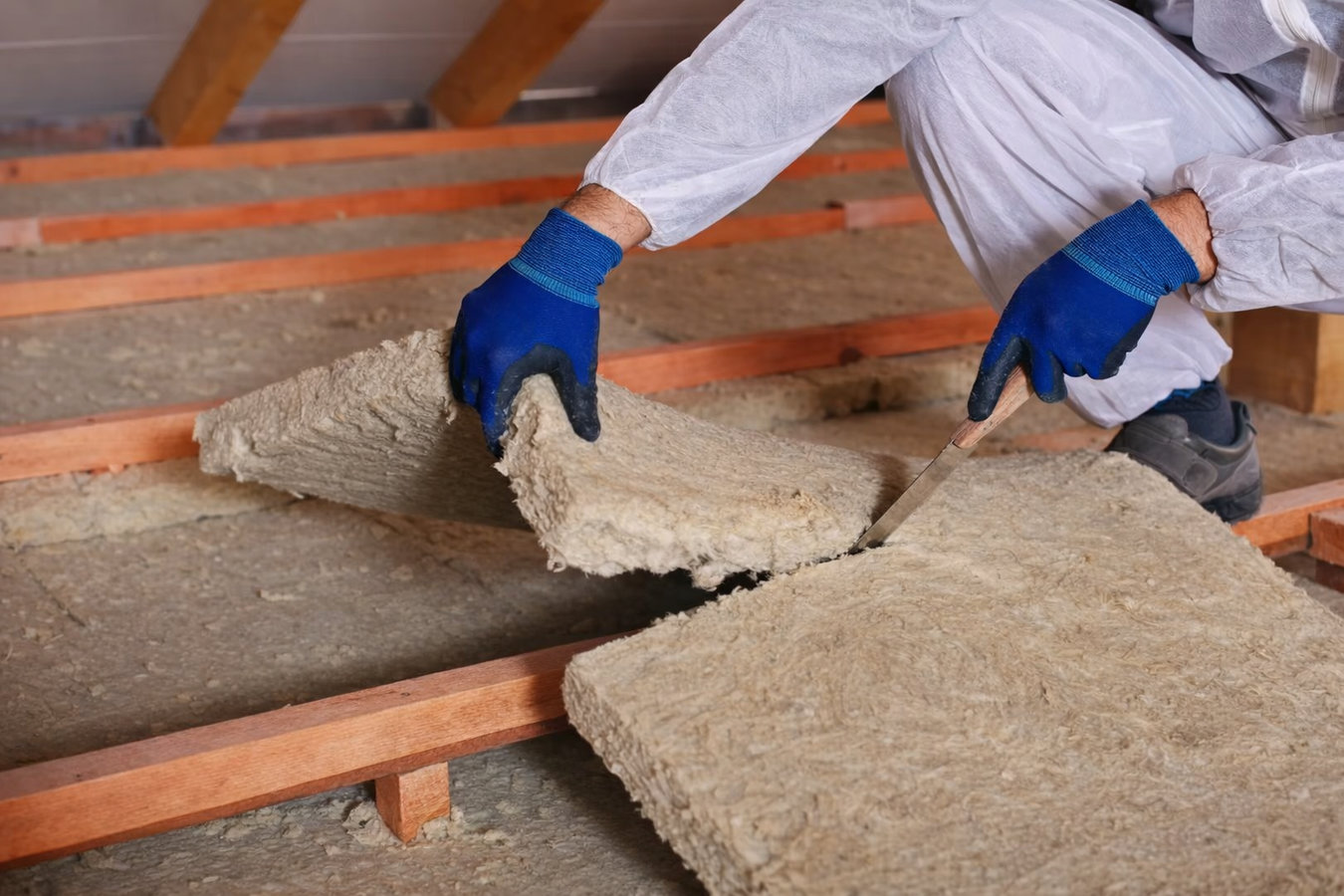
Old, wet, or pest-damaged insulation cannot be fixed with a new layer on top. We remove it completely, haul it away, and leave your attic or crawl space ready for a clean start.
Insulation removal in Evansville, IN means extracting degraded, contaminated, or hazardous material from your attic, walls, or crawl space before new insulation goes in - most residential attic jobs are completed in one to two days by a crew of two or three. You cannot simply pile new material on top of insulation that has been wet, damaged by pests, or installed before modern safety standards were understood. The new layer will not perform the way it should, and the underlying problem stays hidden until it gets worse.
Evansville's hot, humid summers and freeze-thaw winters are hard on insulation, especially in the older homes that make up a large share of the city's housing stock. Many homeowners in neighborhoods like the West Side and Haynie's Corner area discover that the original insulation has never been replaced in 40 or 50 years. In those cases, removal is not optional - it is the right first step before any upgrade makes sense.
After removal, most homeowners choose to move immediately to a replacement project. Our crawl space insulation and retrofit insulation services are the most common follow-on steps once the old material is out.
If your gas or electric bills from CenterPoint Energy have been rising even though your habits have not changed, your insulation may no longer be doing its job. Old insulation that has compressed or absorbed moisture loses its ability to hold heat in during winter and block it during summer, and Evansville's climate pushes both extremes hard.
A persistent musty smell, especially in warm weather, often means moisture has reached your insulation and mold has started to grow. An animal odor from the attic usually means wildlife has nested in the material and left waste behind. Neither problem resolves on its own, and both require full removal to fix properly.
In Evansville's older neighborhoods, it is common to find homes where the original insulation has never been replaced. Insulation that old has almost certainly compressed significantly and may contain materials that are no longer considered safe. If you have never had it inspected, that alone is reason enough to call.
If some rooms are noticeably colder in January or hotter in August while your HVAC checks out fine, the problem is often in the attic or crawl space. Evansville's freeze-thaw winters compress and shift older insulation, creating gaps that your heating system cannot fully overcome.
We handle removal in every space where insulation typically lives: attics, crawl spaces, and wall cavities opened during renovation. Attic removal is the most common job, and it is also the most variable depending on what is up there. Homes built before 1980 in Evansville may contain insulation materials that require testing before we touch them. We take that step seriously and will not skip it to move faster on a job.
Crawl space removal is more physically demanding work and requires contractors who are prepared for tight spaces, moisture, and the kind of conditions that deter less committed crews. After removal, the space is empty, accessible, and ready for proper moisture assessment before new material goes in. For many Evansville homes, adding a crawl space insulation system at this point makes far more sense than it did with old material in the way.
We also work alongside homeowners planning larger upgrades. If you are renovating and want to bring your home up to current energy standards from the inside out, pairing removal with our retrofit insulation service is a logical and cost-effective approach.
The right starting point for homes where the original insulation is degraded, compressed, pest-damaged, or of unknown composition.
For homes with moisture damage, mold, or pest contamination below the floor, where leaving old material in place would undermine any new installation.
Necessary for pre-1980 homes where testing has confirmed the presence of asbestos or other materials requiring certified handling and disposal.
Suited to renovation projects where wall cavities are already open and outdated or damaged material needs to come out before new insulation is installed.
Evansville sits in a climate zone that demands year-round performance from a home's thermal envelope. Summers regularly reach the 90s with sustained high humidity, and winters bring multiple freeze-thaw cycles that compress and shift older insulation. Homes on the West Side, in Jacobsville, and throughout the near-downtown neighborhoods were built in an era when insulation standards were a fraction of what they are today. The original material in many of these homes has been absorbing moisture and losing its effectiveness for decades.
The asbestos question is also more pressing here than in newer markets. Evansville has a large share of homes built before 1980, and materials used in that era sometimes included asbestos in attic insulation and other building products. The U.S. Environmental Protection Agency is clear that older homes should be tested before removal work begins. Any contractor who skips this step on a pre-1980 home is cutting a corner that matters.
We serve Evansville and the surrounding region. If you are in Newburgh, IN, Mount Vernon, IN, or Henderson, KY, the same aging housing stock and climate conditions apply throughout this area.
We respond within 1 business day. When you call, we ask about your home's age, the space in question, and any pest or moisture issues, so we arrive prepared rather than starting from scratch.
We inspect the attic or crawl space in person, checking the insulation condition, accessibility, and any signs of moisture, mold, or pest activity. For homes built before 1980, we discuss hazardous material testing before any work begins.
The crew brings industrial vacuum equipment and runs hoses to the work area. Old insulation is vacuumed or hand-removed, bagged, and staged for disposal. Most of the workday sounds like a loud vacuum running, and our crew wears protective gear throughout.
With the space clear, we walk through to identify air leaks around pipes, fixtures, and wall connections. Sealing those gaps now, while the space is empty, is far easier than doing it later. All bagged material is removed from your property before we leave.
Free on-site estimate. No obligation. We respond within 1 business day.
(930) 212-1786We have worked on homes throughout Evansville, from the older brick bungalows on the West Side to the mid-century ranch homes on the East Side. We know what to expect in this city's housing stock and come prepared for what we find.
Evansville has a significant share of homes built before 1980, where insulation materials sometimes included asbestos. We discuss testing before removal on any qualifying home, so you are not blindsided by a risk that was already there.
Some contractors price removal and then charge disposal separately. We quote the full job, including haul-away, so the number you agree to is the number on the final invoice. No surprises after the truck pulls away.
Every removal job includes a walkthrough to check for air leaks before new insulation goes in. This step is easy to do on an empty space and much harder to do after. We tell you what we find and let you decide how to proceed.
The Insulation Contractors Association of America sets installation and removal standards that professionals in this industry follow. We take removal work seriously because a rushed or incomplete job leaves problems that show up later in your energy bills, your air quality, and the performance of whatever goes in next.
After removal, a properly sealed and insulated crawl space stops moisture from re-entering and damaging new material.
Learn moreOnce old material is out, retrofit insulation brings your home up to current energy standards without a full renovation.
Learn moreOur crews are booking now. Getting the old material out before winter means your home is ready for a proper upgrade before heating season hits your energy bill.