
Loading...
Serving Evansville, IN and surrounding areas. (930) 212-1786
Serving Evansville, IN and surrounding areas. (930) 212-1786
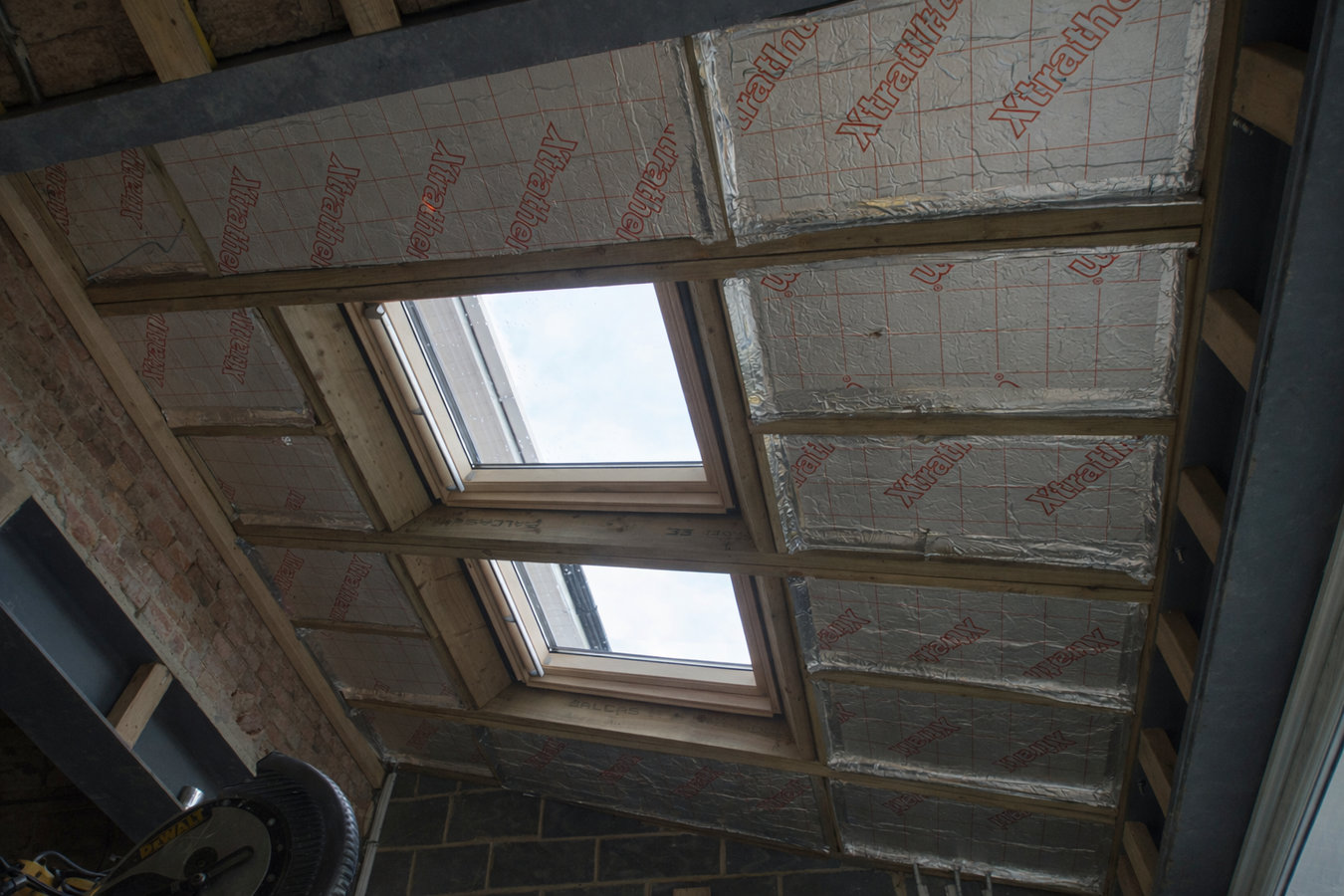
Evansville Insulation Company serves Mount Vernon, IN homeowners with attic insulation, crawl space moisture management, and air sealing throughout Posey County. We work in Mount Vernon regularly, from the older brick and wood-frame homes near the Posey County Courthouse to the properties in low-lying areas near the Ohio River that face ongoing moisture challenges. Our crew responds within one business day and provides written estimates before any work begins.
Many Mount Vernon homes built before 1960 have original attic insulation that has been in place for 60 years or more. Insulation compresses over time and loses much of its R-value even when it looks intact, and Ohio River valley humidity accelerates that deterioration in poorly ventilated attics. Learn more about how attic insulation can lower your energy costs and protect your Posey County home year-round.
Mount Vernon's riverfront location means ground moisture levels are consistently higher here than in drier parts of Indiana. Homes in low-lying areas near the Ohio River can see water intrusion into crawl spaces after heavy spring rains, and fiberglass batts stapled to floor joists absorb that moisture and sag quickly. Closed-cell spray foam on crawl space walls and rim joists provides both thermal protection and a moisture barrier that fiberglass cannot match.
Attics in Mount Vernon's older Victorian and Craftsman homes often have irregular joist spacing, sloped knee walls, and cross-bracing that leave gaps where pre-cut batts cannot conform. Blown-in loose-fill fills those irregular spaces evenly and around obstructions, giving older homes the attic depth they need without requiring structural changes.
Mount Vernon homes built in the late 1800s and early 1900s commonly have gaps at the top plates, around chimney chases, and through plumbing and electrical penetrations that allow conditioned air to escape continuously. Sealing those pathways before new insulation is added is what makes the difference between a project that delivers real savings and one that produces only marginal improvement.
For Mount Vernon homes that sit in or near FEMA-designated flood zones along the Ohio River, a ground-level vapor barrier is a practical first layer of moisture defense. A heavy-duty sealed liner at the crawl space floor stops moisture from evaporating off the soil and into the floor framing, and it is commonly installed as part of the same crawl space project alongside spray foam insulation.
Spray foam excels in Mount Vernon rim joists, band boards, and the knee walls of older two-story homes where batts leave cold edges and moisture can enter. Closed-cell spray foam is particularly well-matched to the Ohio River valley environment, providing insulation value and a moisture barrier in spaces where both problems coexist.
Mount Vernon sits on the Ohio River in the far southwestern corner of Indiana, and that riverfront location shapes nearly every aspect of how homes here behave. The city has one of the oldest housing stocks in Posey County, with a large share of homes built before 1960 and many dating to the late 1800s. These homes were constructed with the materials and practices of their era - brick exteriors, wood framing, single-pane windows, and little to no insulation by today's standards. Compressed and degraded insulation in an older Mount Vernon attic is delivering a fraction of the protection a properly installed modern job would.
The Ohio River creates a moisture environment that homes farther inland simply do not experience at the same intensity. Parts of Mount Vernon sit in FEMA-designated flood zones, and even homes outside those boundaries can see water intrusion and elevated crawl space humidity after heavy spring rains when the river is high. Fiberglass batts that absorb ground moisture from below lose most of their thermal value within a few years in these conditions. Closed-cell spray foam and a sealed vapor barrier are the combination that actually breaks the moisture cycle.
Summers in Mount Vernon are hot and muggy, with persistent humidity that gets into attics and crawl spaces in older homes with poor ventilation or incomplete air sealing. Winters bring regular freeze-thaw cycles that stress foundations and masonry. An insulation contractor who works in Posey County regularly will understand both the seasonal demands and the specific building stock they are working with here.
Our crew works in Mount Vernon on a regular basis, and the homes we encounter here reflect the character of a long-established Ohio River town: brick and wood-frame construction from multiple eras, a mix of downtown Victorian homes and postwar ranch houses, and a crawl space and moisture profile that is more demanding than what we see in drier communities farther north. We confirm permit requirements with the City of Mount Vernon before any work begins and handle that process as part of the job.
The Ohio River waterfront and the Hovey Lake Fish and Wildlife Area just south of town are the landmarks most Posey County residents know. The city has a working-class homeowner community connected to industrial employers along the river and to the broader regional economy. These are homeowners who want practical work done correctly the first time, not upsold on scope they do not need.
Mount Vernon is at the southern end of our Indiana service corridor. We also serve Evansville about 20 miles to the north and Princeton in Gibson County, so homeowners who own property or have family across this corridor will find our coverage of the full area practical.
Call or submit a request online and we respond within one business day. We will ask about your home's age, the area of concern, and whether you have had any previous insulation or moisture work done, so we can arrive with the right equipment and a realistic sense of the scope for your Posey County property.
A crew member visits your home and checks the attic depth, crawl space moisture conditions, and air leakage points before recommending anything. For Mount Vernon homes near the river, we pay particular attention to crawl space moisture levels and whether the current insulation has been compromised by water exposure. The visit typically takes 30 to 45 minutes, and you receive a written estimate before work is scheduled.
Most Mount Vernon jobs are completed in a single day. For attic work, the crew air-seals gaps and penetrations first, then installs blown-in or batt material to the full recommended depth. Crawl space spray foam jobs may require you to stay away from that area briefly while the foam cures. Your contractor will give you a specific re-entry time if needed.
Before leaving, the crew walks you through the completed work. Depth markers left in the attic let you verify coverage yourself at any time. Written documentation of materials installed is provided, which is needed if you plan to apply for a federal energy efficiency tax credit or a CenterPoint Energy utility rebate for the work done.
We serve Mount Vernon and all of Posey County. Written estimates, no-pressure process, and crews that respond within one business day.
(930) 212-1786Mount Vernon is the seat of Posey County, situated on the Ohio River at the far southwestern tip of Indiana. The city has a population of roughly 6,000 to 7,000 people and a history shaped by river commerce and industry that dates to the early 1800s. The Posey County Courthouse anchors the historic downtown, and the neighborhoods closest to it contain some of the oldest homes in the city, including Victorian and Craftsman-style two-story houses with original architectural details.
Moving outward from the historic core, Mount Vernon transitions to a mix of mid-20th-century single-family homes and some older multi-unit buildings. The Ohio River waterfront is a defining feature of the city, and it shapes the moisture conditions that every homeowner in the area has to contend with. Low-lying properties near the river sit in FEMA flood zones, and even homes on higher ground experience the persistent humidity that comes with a riverfront location.
Posey County connects Mount Vernon to the broader southwestern Indiana region. The city is about 20 miles west of Evansville along the Lloyd Expressway corridor, and its rural outskirts extend north toward Princeton in Gibson County. The working-class homeowner character of the community, supported by industrial employment along the river, means residents here are focused on practical, cost-effective home improvements rather than large-scale renovations.
Expanding foam that seals gaps and delivers high R-value in a single application.
Learn moreStop heat loss and gain at the source with professionally installed attic insulation.
Learn moreLoose-fill material blown into attics and walls for complete, even coverage.
Learn moreWhole-home insulation solutions that improve comfort and reduce energy bills.
Learn moreSafe removal of old, damaged, or contaminated insulation before replacement.
Learn moreInsulate your crawl space to prevent moisture intrusion and floor cold spots.
Learn moreInterior and exterior wall insulation to cut drafts and improve thermal performance.
Learn moreLocate and seal air leaks throughout your home to lower heating and cooling costs.
Learn moreBasement walls and rim joist insulation for a warmer, drier lower level.
Learn moreDense, moisture-resistant spray foam with the highest R-value per inch available.
Learn moreLighter, flexible spray foam ideal for interior walls and soundproofing applications.
Learn moreSeal attic bypasses at the top plate to prevent conditioned air from escaping.
Learn moreHeavy-duty plastic barrier that blocks ground moisture from entering your crawl space.
Learn moreProfessional vapor barrier installation for crawl spaces, basements, and foundations.
Learn moreAdd or upgrade insulation in existing homes without major demolition or disruption.
Learn moreInsulation services for commercial buildings, warehouses, and light industrial spaces.
Learn moreCall us today or submit a request online. We serve all of Mount Vernon and Posey County, respond within one business day, and never start work without a written estimate.