
Loading...
Serving Evansville, IN and surrounding areas. (930) 212-1786
Serving Evansville, IN and surrounding areas. (930) 212-1786
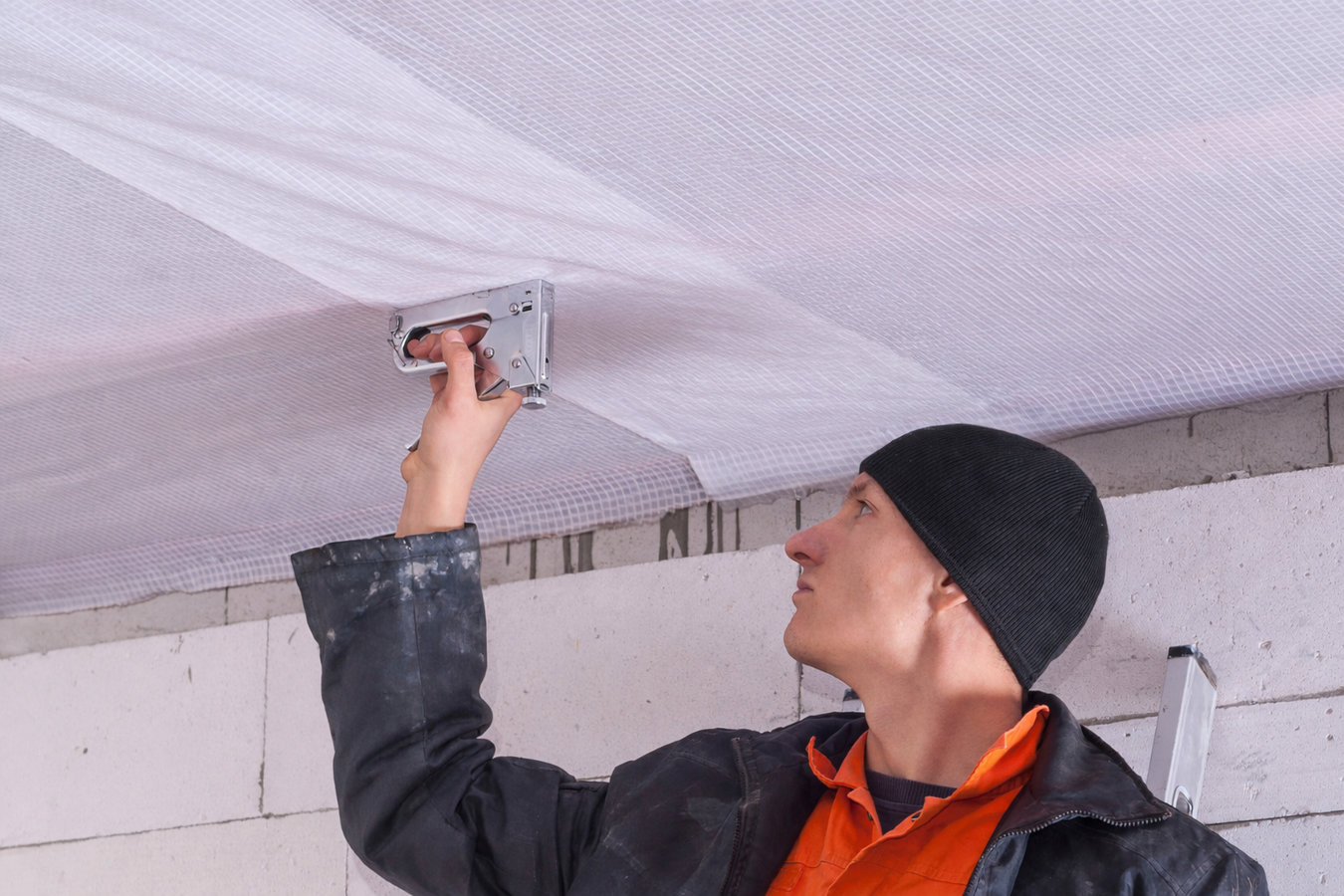
Ground moisture rising through your crawl space is quietly rotting your floors and driving up your cooling bills. A properly installed vapor barrier stops it at the source.
Vapor barrier installation in Evansville, IN means laying sealed, heavy-gauge plastic sheeting across your entire crawl space floor to block ground moisture from moving up into your home's wood framing, insulation, and living areas. Most standard installations take one to two days, and you do not need to leave your home while the work is happening. The crew works entirely underneath the house, covering every inch of exposed ground with no gaps, properly overlapped seams, and edges secured to the foundation walls.
Evansville's combination of high annual rainfall, clay-heavy soils, and humid summers creates year-round moisture pressure under homes with crawl spaces. That moisture does not announce itself until the damage is already done. By the time homeowners notice soft floors, a persistent musty smell, or higher-than-expected cooling bills, the ground has often been releasing vapor into the structure for years. Vapor barrier installation addresses the problem at its source rather than treating the symptoms.
For many homeowners, a vapor barrier is the first step in a broader crawl space upgrade. Those who want to address both moisture and temperature loss in one project can pair vapor barrier installation with crawl space vapor barrier service, which extends the scope to wall coverage and mechanical humidity control for homes where ground moisture pressure is more severe.
If your floors flex when you walk across them, especially near exterior walls or in older parts of the house, the wood underneath has likely absorbed moisture over time. In Evansville's humid climate, this damage develops gradually over years without any single dramatic event. It is worth having a contractor look at the crawl space before the condition worsens.
A persistent musty odor on the ground floor or in rooms above the crawl space is one of the clearest signs that moisture is moving up from below. In Evansville, this smell often strengthens in spring and early summer when rainfall is heaviest and the ground is saturated. If the smell tracks with the weather, the crawl space is almost certainly the source.
Water droplets forming on metal pipes or duct surfaces in your crawl space means the space is too humid. This is especially common in Evansville homes during summer months when warm outside air meets cooler surfaces underground. Left unchecked, that condensation accelerates rust on metal components and feeds mold growth on wood framing.
Many Evansville homes built before 1980 either have no vapor barrier or have one that has cracked, shifted, or torn over the years. If you bought an older home and no one has mentioned the crawl space condition to you, it is worth a look. A quick inspection by a qualified contractor costs nothing and tells you exactly what you are dealing with.
We install vapor barriers that meet the actual conditions in your crawl space. For most Evansville homes, a standard floor installation using properly thick, sealed plastic sheeting is the right approach. We overlap seams by at least 12 inches, tape every joint, and secure the edges to the foundation walls so the barrier holds its position over years of moisture exposure and occasional foot traffic during inspections.
For homes in low-lying parts of the city, particularly those near Pigeon Creek or in neighborhoods close to the Ohio River, we recommend heavier-gauge material and often suggest extending coverage up the foundation walls. This wall-to-floor approach is more protective in areas where soil moisture is higher and more consistent. Homeowners who want the most complete moisture management solution should look at full encapsulation, which adds a dehumidifier to actively control the crawl space environment. We pair every recommendation with what we actually find during the inspection, not a standard upsell.
We also handle barrier replacement when existing material has aged past its useful life. Old barriers do not fail dramatically; they degrade gradually, with small tears and gaps that add up over time. For material more than 15 years old or barriers showing widespread wear, full replacement is almost always more cost-effective than repairs. Homeowners making broader improvements can also combine vapor barrier work with retrofit insulation to address both moisture and energy loss in the same project.
Best for homes with manageable moisture levels where covering the ground with properly sealed plastic sheeting is the right-sized solution for the conditions.
Best for homes in low-lying Evansville neighborhoods near Pigeon Creek or the river where clay soils and seasonal flooding create higher sustained moisture pressure.
Best for homes where the contractor determines that sealing the foundation walls in addition to the floor is needed to address the full moisture pathway.
Best for homes where existing barrier material is more than 15 years old, significantly torn, or was originally installed too thin to hold up in Evansville's climate.
Evansville sits in a humid subtropical climate zone with hot, muggy summers and wet springs that regularly bring heavy rainfall. The Ohio River valley location means the ground stays damp for much of the year, and crawl spaces face moisture pressure in every season, not just after a storm. The soils across Vanderburgh County contain significant clay content that absorbs water readily and releases it slowly, creating sustained upward moisture pressure under homes with bare dirt crawl spaces. According to the Indiana Department of Homeland Security Building Codes Division, vapor retarder installation in crawl spaces is part of the state's residential building code for new construction, a standard that was not applied to the vast majority of existing Evansville homes.
A large share of Evansville's residential neighborhoods, including the West Side, the Jacobsville neighborhood, and older East Side subdivisions, were built in the mid-20th century or earlier. Homes built before the 1980s were often constructed without any vapor barrier at all, or with thin plastic sheeting that has long since deteriorated. Homeowners in Evansville who have lived in their homes for decades and never had the crawl space inspected are likely dealing with moisture damage that is invisible from inside the house but very real underneath it.
The same conditions affect the surrounding communities. Homeowners in Owensboro, KY and Newburgh, IN share the same river valley climate and aging housing patterns. Vapor barrier installation is just as relevant in those communities as it is in the city itself.
We respond within 1 business day. We ask a few basic questions about your home's age and any moisture issues you have noticed. This helps us arrive prepared with the right materials and give you a realistic scope from the start.
A technician physically goes under your home to check the size of the space, existing moisture damage, the condition of any old barrier material, and whether drainage issues need to be addressed first. This inspection is free and typically takes 30 to 60 minutes.
You receive a written quote that breaks down cost by material and labor, explains what thickness of material we recommend and why, and flags any pre-installation work needed. We do not pressure you to decide on the spot.
The crew clears debris, lays the barrier across the entire floor, overlaps and tapes all seams, and secures edges to the foundation walls. Before leaving, we walk you through the finished work and provide any warranty documentation in writing.
Free inspection, written estimate, no obligation. We respond within 1 business day.
(930) 212-1786We overlap seams by at least 12 inches and tape every joint. Seams that are simply butted together without overlap fail faster and leave gaps where moisture can still move through. The difference is not visible from outside the crawl space, which is exactly why it matters that you hire someone who does it right.
We install vapor barriers across Evansville and 11 surrounding communities in Indiana and Kentucky. Homes throughout this region deal with the same Ohio River valley clay soils and aging housing stock. We know how moisture conditions vary from neighborhood to neighborhood and between the two sides of the river.
Vanderburgh County soils have significant clay content that holds moisture and shifts slightly with wet and dry cycles. We use material thick enough to handle that soil movement without cracking or tearing. Thinner barriers save money at installation and cost more in replacement a few years later.
USDA Web Soil SurveyWe know which home improvement projects require a permit in Evansville and coordinate the applications on your behalf. The work is documented for future resale, so you have a clear record of what was installed.
We show you the finished work before we leave. That means either taking you to the access point so you can see the barrier in place, or showing you photos taken during the job. You should not have to take our word for it that the ground is fully covered and the seams are sealed. ENERGY STAR's crawl space sealing guidance outlines the same standards we follow: full coverage, sealed seams, and secured edges. Those are not extras. They are what a properly done job looks like.
After vapor barrier installation, retrofit insulation adds thermal protection to crawl space walls or floor joists for a complete moisture-and-energy upgrade in existing homes.
Learn moreLearn more about vapor barrier options specifically for crawl spaces, including material thickness choices and the difference between a basic barrier and full encapsulation.
Learn moreSpring rains fill contractor schedules fast. Schedule your free vapor barrier estimate now and lock in your installation date before the rush.